
A water damage public adjuster Nassau County property owners trust documents a loss before repairs and drying cover up how far the water actually traveled, and Republic Claims Associates is that water damage public adjuster for exactly that reason. A burst pipe, roof leak, or coastal storm rarely stays contained to one area, and Nassau County’s geography, a narrow county stretching from the Long Island Sound on the North Shore to the Atlantic-facing South Shore, means the specific cause and risk profile of a water claim can look very different depending on which side of the county the property sits.
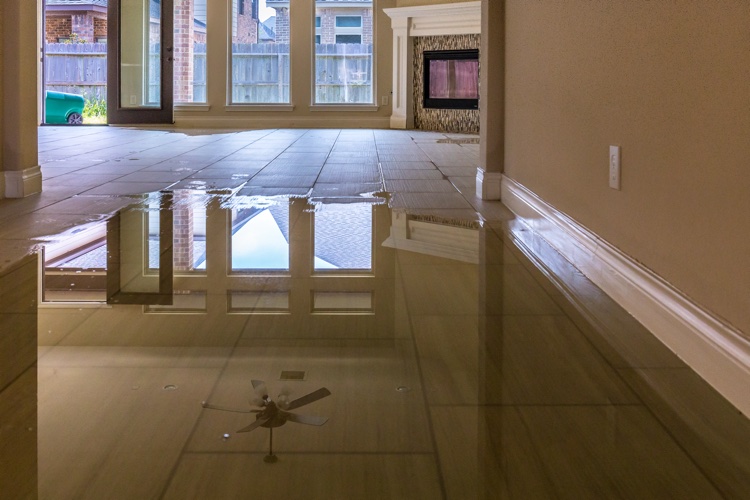
Republic Claims Associates builds the claim around where the water actually ended up, not just the spot it started, and we’re the ones negotiating the scope with the carrier rather than accepting whatever boundary they draw on their own.
How Does North Shore Water Damage Differ From South Shore?
Nassau County’s two coastlines create two different water-claim profiles. North Shore communities along the Long Island Sound tend to see water damage tied to older building stock, aging plumbing, and bluff or hillside drainage issues that complicate a loss. South Shore communities facing the Atlantic and the county’s bays carry a heavier storm and flood exposure, where wind-versus-flood causation disputes after a coastal weather event are common and often decide which policy actually pays.
- North Shore: older housing stock, aging plumbing systems, drainage and grading issues on hillside or bluff properties
- South Shore: storm surge, coastal flooding, wind-versus-flood disputes after nor’easters and hurricanes
- Inland and central Nassau: burst and frozen pipes, appliance failures, and roof leaks that affect properties regardless of coastline
Why Do Wind-Versus-Flood Disputes Happen After a Storm?
A standard property policy on Nassau’s South Shore typically picks up wind damage, while flood damage usually falls to a separate NFIP or private flood policy, and carriers know exactly where that line sits. So when a single storm delivers both at once, don’t expect the carrier to split the damage down the middle fairly on its own. The incentive runs the other way: attributing as much as possible to flood pushes the cost onto a different policy, sometimes a different carrier entirely, and leaves less on the hook for the one writing the wind coverage.
Getting the cause and timeline documented correctly from the first inspection matters more on a water claim than almost any other property loss, since that documentation often determines whether a claim is accepted at full value, reduced, or denied outright.
What a Surface Inspection Misses
Visible water stains and soaked carpet are rarely the full extent of the damage. Water moves along framing and through wall cavities toward the path of least resistance, often ending up far from where it entered, and mold can take hold within 24 to 48 hours in whatever stayed wet the longest. A rushed carrier inspection, especially one that happens after drying equipment is already running, routinely misses moisture trapped behind drywall and baseboards, framing damage hidden under finished surfaces, HVAC contamination, and mold growth that started before anyone was looking for it. Catching those before the walls go back up is the difference between a claim that covers the real damage and one that covers only what was easy to photograph.
Our Process on a Nassau County Water or Storm Claim
We try to get eyes on the property before mitigation work or repairs erase evidence of how far the water actually spread, and that first inspection is also where we start building the cause and timeline record. Why that matters depends on the coastline: it’s what separates a covered sudden loss from a disputed one, and on the South Shore specifically, it’s what separates wind coverage from an excluded flood loss.
From there we’re checking for hidden moisture and structural damage beyond anything visible at a glance, then reading the full policy, plus any separate flood policy where one exists, to pin down exactly what each one is responsible for. Negotiating the claim through to settlement is the last step, not the first conversation we have with the carrier.
Why Choose Republic Claims for a Nassau County Water Damage Claim?
A wind-versus-flood dispute isn’t won on paperwork alone; it’s won by whoever the carrier takes seriously at the table. Frank Rivela founded Republic Claims Associates in 1989 and has spent 43 years in the insurance industry since, earning the Senior Professional Public Adjuster designation held by the top 1% of the field. That history, backed by more than $1 billion recovered for policyholders and NAPIA accreditation, is what gets a causation argument heard instead of dismissed.
A water or storm loss involving extensive structural damage, a multi-unit property, or significant business interruption may qualify as a large loss claim, and our in-house accountants and attorneys handle that complexity without bringing in outside vendors mid-claim. If a burst or frozen pipe is the specific cause of your loss, our burst pipe insurance claim page covers that sudden-versus-gradual distinction in more depth.
Who Should You Call After Water or Storm Damage in Nassau County?
Report the loss to your insurer first so mitigation can start, but don’t let their adjuster be the only one defining the scope of the damage, particularly on a South Shore property where the cause gets determined fast. A public adjuster brought in after a low offer is already arriving is working from behind; one brought in from the start is working from level ground.
How Does New York’s Fee Cap Protect You?
Under New York law, we’re required to disclose our fee percentage in writing before starting work. The arrangement is strictly contingency, meaning no cost to you unless we recover a settlement, and the cap is set at 12.5 percent of the recovery.
Frequently Asked Questions
My basement floods every time it rains hard. Is that covered? Usually not under a standard policy, since recurring drainage or grading-related flooding is typically treated as a maintenance issue rather than a sudden loss, and it often falls outside flood insurance too depending on the cause. This comes up more on North Shore properties with hillside or bluff drainage than it does elsewhere in the county.
What’s the difference between how my homeowners policy and a flood policy handle water damage? A standard homeowners or commercial policy generally covers water that originates inside the structure, a burst pipe, a failed appliance, a roof leak, while water that enters from outside due to rising floodwater typically requires separate flood coverage, often through the National Flood Insurance Program. A single storm can trigger both at once, which is exactly where disputes happen.
Why would my claim be denied if my neighbor’s identical claim was paid? Coverage outcomes often come down to documentation and cause determination, not just the damage itself. Two nearly identical losses can land differently if one was documented thoroughly from the first inspection and the other wasn’t, or if the carriers reached different conclusions about what caused the water intrusion.
Does my policy cover mold that develops after a water loss? Often yes, when the mold can be traced directly to a covered water event, though exclusions and coverage limits vary by policy and by how long the area stayed wet before remediation started.
I already started drying out the damage myself. Did that hurt my claim? Not necessarily, and mitigating further damage is often expected, but document everything before and during that process: photos, what was removed, what equipment was used. The concern is drying or repair work that happens before anyone documents the full extent of what was affected.
If your Nassau County property has water, storm, or flood damage, documenting the full extent early protects your claim. Call us at (800) 246-4417 for a free claim review, or request a free consultation online.