
A fire damage public adjuster Long Island homeowners and business owners call represents them through every part of a fire
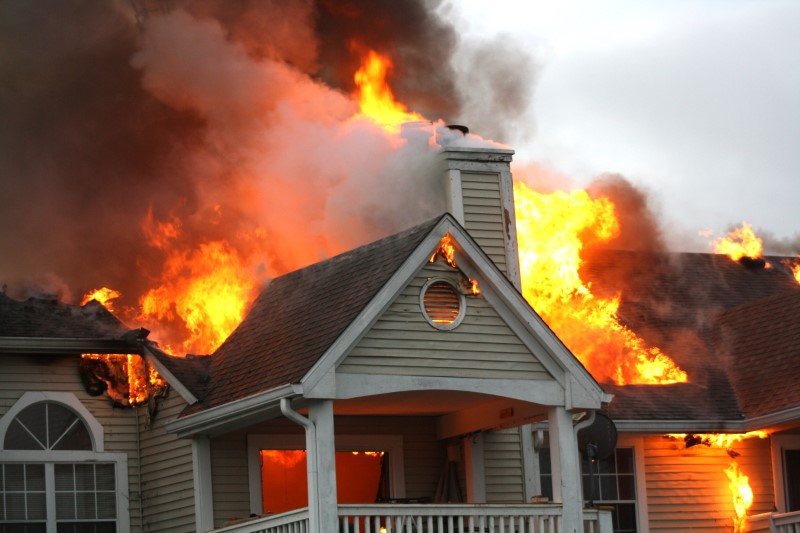
claim, and Republic Claims Associates is that fire damage public adjuster Long Island turns to when fire damage puts a home or commercial building on the line. A fire doesn’t just damage a structure. It displaces families, interrupts businesses, and in Long Island’s older housing stock, the full extent of electrical and structural damage often isn’t obvious until someone looks closely.
We document the damage, build the case for what it actually costs to rebuild and reopen, and negotiate directly with the carrier so you’re not doing it yourself while also trying to hold the rest of your property together.
What Does a Fire Claim Actually Cover?
Most owners assume a fire claim means the building and maybe the contents inside it. That’s the starting point, not the whole claim.
Building and structural damage. Framing, electrical, and plumbing systems damaged by fire, heat, or the water used to extinguish it, which often becomes its own significant part of the claim.
Smoke and soot damage. Soot travels further than most owners expect, often contaminating HVAC systems, insulation, and finishes well beyond where the fire itself reached.
Code upgrade costs. If a home or building is being rebuilt anyway, current fire and building codes may require upgrades the original construction didn’t need, which comes up often in Long Island’s older housing stock. An Ordinance or Law endorsement, if the policy carries one, covers this.
Loss of rents or business income loss. For a landlord, the rental income lost while a unit sits vacant. For a business, the revenue that would have been earned had the fire not happened. Either way, this is frequently the largest single component of the claim.
Contents and equipment. Personal property, fixtures, and equipment lost to fire, smoke, or water damage during suppression.
How Is an Older Long Island Home Fire Claim Different?

A fire in an older Long Island home often reveals wiring, plumbing, or structural issues that predate the loss but get tangled up in
the claim anyway. Carriers sometimes try to attribute damage to pre-existing wear rather than the fire itself, which is exactly where a documented, defensible claim matters most.
If the fire affects a rental property or displaces tenants, that becomes evidence supporting a loss of rents or additional living expense claim, not just a housing problem. Our in-house real estate broker helps coordinate relocation so it doesn’t stall the repair timeline, while our accountants build the loss of rents claim from actual lease records rather than an estimate.
How Do We Handle a Long Island Fire Claim?
- Immediate documentation. We get to the property as fast as possible after a fire to photograph and document damage before cleanup, demolition, or emergency board-up compromises the evidence.
- Cause and origin review. Your carrier will send its own fire investigator. We review their findings and, where the cause is disputed, make sure your interests are represented in that determination.
- Full policy analysis. We read the complete policy, including any condo or HOA master policy where relevant, to identify every coverage that applies, from code upgrade coverage to loss of rents.
- Income and loss documentation. Our in-house accountants build the business income, loss of rents, or contents valuation claim using your actual records, not a generic estimate the carrier proposes instead.
- Negotiation and settlement. We handle every conversation with the insurance company’s adjusters from the first inspection through final settlement.
Why Choose Republic Claims for a Long Island Fire Claim?
Fire claims reward experience, since cause disputes and smoke-contamination arguments are where a less experienced adjuster gets outmaneuvered by a carrier’s investigator. Frank Rivela, our founder, has spent 43 years in this industry and holds the Senior Professional Public Adjuster designation, a top-1%-of-the-field credential. Since opening in 1989, the firm has recovered over $1 billion for policyholders, maintains accreditation with the National Association of Public Insurance Adjusters, and serves Nassau and Suffolk Counties directly from a Hampton Bays office.
If your fire loss is large enough to involve significant business interruption, extensive structural damage, or a multi-unit property, it likely qualifies as a large loss claim, and the same in-house team handles that level of complexity without bringing in outside subcontractors mid-claim. See our public adjuster Long Island NY page for how we scope claims at that scale.
How Does Republic Claims Associates Compare on Fire Claims?
- Business income and loss of rents built from your actual financial records by in-house accountants, not a generic carrier estimate
- Tenant relocation coordinated by an in-house real estate broker when a fire displaces occupants
- $1 billion+ recovered across 43 years of hands-on fire claim experience
[IMAGE: Fire or smoke damage documentation, if available]
Why Do the First 72 Hours Matter Most?
What happens in the first three days after a fire often determines the outcome of the claim months later. Evidence gets cleaned up. Emergency repairs, while necessary to secure the property, can complicate later documentation if they aren’t handled correctly. Your insurer’s investigator will already be forming conclusions about cause and scope before you’ve had a chance to weigh in.
Engaging a public adjuster immediately means someone experienced is present for that first inspection, not reviewing photos of it after the fact.
Does New York’s Fee Cap Apply Here?
New York State caps public adjuster compensation at 12.5 percent of the claim recovery. We work on contingency, so there’s no cost to you unless we recover a settlement, and the fee percentage is disclosed in writing before you sign anything.
Frequently Asked Questions
Who pays for fire cleanup at a Long Island property? Your property insurance typically covers reasonable cleanup costs as part of the covered fire loss, but the specifics depend on your policy language. We review this as part of the claim to make sure cleanup isn’t paid out of pocket when it should be covered.
Can I claim lost income or rent after a fire closes my business or vacates my tenants? Yes, if your policy includes business income coverage or loss of rents coverage, which most commercial and landlord policies do. The claim is based on what you would reasonably have earned during the closure or vacancy period, documented through your actual financial or lease records.
Will my policy pay for code-required upgrades during a fire rebuild? It depends on whether an Ordinance or Law endorsement is part of your policy. A lot of owners carry this coverage without realizing it, which is one reason a full policy read matters before accepting a carrier’s repair scope.
Does a condo or HOA master policy change how a fire claim works? Yes, when the property is part of a condo or homeowners’ association. The master policy generally covers the structure and common areas, while individual unit or homeowner policies cover interior finishes and personal property, and where responsibility falls between the two is often contested.
My insurance company already sent an adjuster. Why would I need my own? Because that adjuster is paid by and reports to the insurance company, not to you. New York Insurance Law licenses public adjusters specifically to represent the policyholder, a role the carrier’s adjuster structurally can’t fill.
If your Long Island property has suffered fire damage, the first 72 hours matter. Call us at (800) 246-4417 for a free claim review, or request a free consultation online.